Buy on Amazon
As an Amazon Associate I earn from qualifying purchases.
Clip-On Wireless Sports Earphones: A Practical Guide to Comfort, Fit, and Workout Listening
Introduction
Listening to music, podcasts, or workout instructions can make exercise more enjoyable and help create a consistent training routine. However, traditional earphones do not suit everyone. Some users find that earbuds loosen during movement, while wired models can get tangled in clothing or interfere with exercise equipment. For people who prefer a more secure-feeling alternative, clip-on wireless sports earphones may be worth considering.
These earphones are described as having a clip-on design, Bluetooth connectivity, lightweight construction, and audio tuned for balanced bass and clear high frequencies. They are intended for activities such as running, cycling, gym workouts, and other forms of physical exercise where freedom of movement and a stable fit matter.
Before choosing a pair, it is helpful to understand how clip-on earphones differ from conventional earbuds, which features matter most during exercise, and what limitations to consider. This guide explores the advertised features in practical terms without assuming performance results that have not been independently verified.
What Are Clip-On Wireless Sports Earphones?
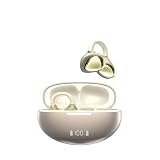
Clip-on wireless earphones use a design intended to help hold each earpiece securely in position. Depending on the exact construction, a clip may attach around part of the outer ear rather than relying entirely on pressure inside the ear canal.
This style can appeal to people who regularly move, bend, stretch, or change direction during exercise. A secure fit may reduce the need to repeatedly adjust an earpiece, although the actual fit depends on the shape of the ear and the design of the clip.
The wireless connection also removes the cable that traditionally connects earphones to a phone or other audio source. That can make it easier to move naturally while exercising, provided the Bluetooth connection remains stable and the earphones are compatible with the device.
It is important to note that the available product description does not specify the exact clip mechanism, whether the earphones sit inside or outside the ear canal, or whether they are designed to leave the ear canal open. Buyers should check the product photographs and full specifications before deciding whether this style matches their preferences.
Key Features and How They May Help
1. Clip-On Design for a More Secure Fit
The main advertised feature is the clip-on design, which is intended to keep the earphones in place during physical activity.
This can be useful when jogging, lifting weights, cycling, or completing exercise routines that involve repeated head and body movements. Compared with earphones that depend entirely on a conventional in-ear fit, a well-designed clip may provide another point of support.
A secure fit also matters for comfort. When earphones repeatedly loosen, users may need to interrupt their workouts to reposition them. A suitable clip-on model may reduce that inconvenience.
However, a clip-on design is not automatically comfortable for every person. Ear shapes vary, and a clip that feels secure to one user may feel too tight or awkward to another. Pressure points may become more noticeable during long listening sessions.
Practical tip: If possible, try the earphones during a short walk or light workout before relying on them for a longer run. Check whether they remain comfortable when you turn your head, bend forward, or move at a faster pace.
2. Bluetooth Connectivity Without Wires
The product description identifies Bluetooth as its wireless connection method. This eliminates the need for a physical cable between the earphones and a compatible phone or other audio device.
A cable-free setup can be convenient for gym sessions, home workouts, and outdoor activities. It also reduces the chance of a wire catching on clothing, exercise equipment, or a backpack strap.
Bluetooth connectivity may be particularly helpful when a phone is stored in a pocket or secured in a gym bag nearby. The actual connection range and stability, however, depend on the earphones, the connected device, surrounding obstacles, and wireless interference.
The listing does not provide a Bluetooth version, supported audio codecs, multipoint connectivity, or a confirmed operating range. Buyers who need specific connection features should verify these details before purchasing.
It is also worth checking whether the earphones support the controls you want, such as play and pause, track skipping, or answering calls. These functions should not be assumed unless they appear in the full product specifications.
3. A Sports-Oriented Design
These earphones are marketed for vigorous movement and activities such as running, cycling, and gym training.
Sports-oriented construction can be useful because workout accessories need to remain manageable while the wearer is moving. Lightweight earphones can feel less cumbersome than larger headphones, particularly during activities involving repeated movement or prolonged wear.
Nevertheless, the phrase “sports-ready” does not establish that a product is waterproof, sweatproof, or dust-resistant. No specific water-resistance rating is included in the supplied description.
This distinction matters because sweat exposure can affect electronic devices that are not designed to withstand moisture. Users who exercise outdoors in changing weather or sweat heavily should look for a clearly stated IP rating and follow the manufacturer's cleaning and care instructions.
For cycling and outdoor running, consider safety as well as comfort. The design does not establish whether environmental sounds remain audible. If the earphones reduce awareness of traffic, cyclists, pedestrians, or other hazards, use them cautiously and follow local rules regarding headphone use.
4. Audio With Balanced Bass and Clear High Frequencies
The listing describes the earphones as having precision-tuned drivers intended to provide clear sound, balanced bass, and crisp highs.
In practical terms, bass contributes to the lower-frequency sounds in music, while higher frequencies help give vocals, cymbals, and other details their sense of clarity. A balanced presentation may be suitable for a variety of listening preferences, including energetic workout playlists, spoken-word content, and general everyday audio.
However, sound quality is subjective. The result depends on the driver design, acoustic tuning, fit, source recording, Bluetooth implementation, and the listener's preferences.
The supplied details do not include driver size, frequency response, supported codecs, or independent listening-test results. It would therefore be premature to describe the sound as studio-grade, audiophile-quality, or superior to competing products.
If audio quality is a priority, look for independent reviews that discuss vocal clarity, bass control, distortion at higher volumes, and performance at ordinary listening levels. These details can provide a more useful picture than broad marketing descriptions alone.
5. Lightweight Construction for Extended Listening
The earphones are described as lightweight and intended to remain comfortable during longer training sessions.
Weight can influence comfort, especially when an accessory stays attached to the ear for an extended period. A lightweight design may feel less noticeable during repetitive exercise and may be easier to pack for travel or visits to the gym.
Still, low weight alone does not guarantee a comfortable fit. The shape of the clip, contact pressure, surface materials, and balance of the earpiece can be just as important.
People who are sensitive to pressure around the outer ear should pay particular attention to the attachment mechanism. If discomfort develops, remove the earphones rather than tightening or repositioning them in a way that creates additional pressure.
The product description does not provide a measured weight, material composition, or recommended maximum wearing duration. Buyers should consult the full listing for those details if they are important to their decision.
Potential Advantages
Based on the features described, these clip-on wireless sports earphones may offer several practical benefits.
Freedom from connecting cables: Bluetooth removes the wire between the earphones and the audio source, which can make movement less cumbersome.
A movement-focused fit: The clip-on design is intended to help keep the earpieces in place during exercise.
A lightweight format: The advertised construction may appeal to people who prefer smaller listening accessories instead of full-size headphones.
Versatile listening: The described sound profile is intended to support music and other everyday audio.
Use across different routines: The product is marketed for running, cycling, gym sessions, and general physical activity.
Potential convenience for regular training: Wireless listening and a secure-feeling attachment may reduce some common distractions during exercise.
These are potential benefits based on the supplied product description, not independently confirmed performance results. Whether they translate into a better experience will depend on the individual user and the actual construction of the earphones.
Things to Consider Before Buying
Fit and Ear Compatibility
The clip-on mechanism is one of the most important features to evaluate. Check how the earphones attach, whether their shape accommodates your ears, and whether the contact points are padded or otherwise designed for comfort.
If the product cannot be tried before purchase, look for customer photographs and reviews that specifically discuss fit during movement. Reviews describing long-term comfort can be more useful than comments based only on the first few minutes of use.
Battery Life and Charging
The supplied description does not specify battery capacity, listening time, standby time, charging method, or charging duration.
These details matter for people who train frequently or prefer to charge their accessories only occasionally. If you plan to use the earphones for long workouts, travel, or multiple sessions between charges, verify the advertised battery life and whether it reflects ordinary Bluetooth listening conditions.
Also check whether a charging cable is included and whether the product uses a proprietary charging connection or a common connector.
Sweat and Water Resistance
Although the earphones are marketed for sports, no confirmed water-resistance rating has been provided.
Do not assume that they can safely withstand heavy sweating, rain, or washing. If moisture resistance is essential, look for an explicit IP rating and confirm what level of protection it provides. Even devices with a rating have limits, and resistance may change with wear or damage.
Microphone and Call Quality
The description does not confirm whether a microphone is included or how well it performs during calls.
If you expect to answer calls during walks or workouts, verify microphone availability and look for reviews addressing voice clarity, background noise, and wind noise. Bluetooth audio support by itself does not establish that call features are available.
Controls and Compatibility
The listing does not identify the supported Bluetooth version, control layout, voice-assistant support, or compatibility limitations.
Before buying, confirm that the earphones work with your phone, tablet, or other intended device. Check how to adjust volume, pause playback, skip tracks, and manage incoming calls if those controls are important to you.
Environmental Awareness
Not all clip-on designs work the same way. Some leave the ear canal open, while others may block or cover it to some degree.
For outdoor exercise, understand the actual design rather than relying on the clip-on label. Maintaining awareness of surrounding sounds is important around roads, shared paths, and busy public areas. Follow local regulations and avoid listening at a level that makes hazards difficult to hear.
Product Support and Warranty
The supplied information does not specify a warranty, return period, replacement policy, or customer-support arrangement.
Check these details before purchasing, particularly if you expect to use the earphones regularly. A clear return policy can be valuable when comfort and fit are difficult to judge from photographs alone.
Who Might Benefit From Clip-On Wireless Sports Earphones?
These earphones may be worth considering for several types of users.
People who exercise regularly: Runners, gym users, and fitness enthusiasts may appreciate a wireless format intended to stay in place during movement.
People who dislike cables: Users who find wired earphones inconvenient during exercise may prefer a Bluetooth option.
Listeners who prefer smaller accessories: Those who do not want to wear full-size over-ear headphones may find a clip-on format more practical, depending on its dimensions and fit.
People who want one accessory for different routines: A single pair may be convenient for gym sessions, walking, and general everyday listening if the fit and battery performance suit those activities.
Who May Want to Consider Other Options?
A different style may be more suitable if:
You have previously found clips uncomfortable around your ears.
You need confirmed waterproofing or a specific sweat-resistance rating.
You require a particular battery life, charging connector, or Bluetooth feature that is not listed.
You need a microphone with verified call quality.
You prefer a fully open-ear design and need confirmation that these earphones provide one.
You want detailed, independently verified audio performance before making a purchase.
Comparing a clip-on design with conventional in-ear earbuds, open-ear headphones, or over-ear sports headphones can help you identify the most suitable format for your routine.
How to Get the Most From Wireless Sports Earphones
Once you have confirmed that the earphones suit your needs, a few basic habits can help you use them more comfortably.
Check the fit before exercising. Make sure each earpiece is positioned correctly and does not create uncomfortable pressure.
Start with a moderate volume. Avoid raising the volume unnecessarily, particularly when listening for extended periods.
Keep the connection device nearby. Bluetooth performance can be affected by obstacles, distance, and interference.
Follow the manufacturer's care instructions. Do not expose the earphones to water or cleaning products unless the manufacturer confirms that doing so is safe.
Inspect the clip and contact surfaces. Stop using the earphones if the attachment becomes damaged or begins causing irritation.
Prioritize outdoor safety. Stay aware of traffic, pedestrians, and other hazards, and follow local rules about listening devices.
Check the battery before a long session. If battery indicators or charging instructions are provided, use them to avoid unexpected interruptions.
These steps cannot guarantee a particular level of performance, but they can help you make a more informed and responsible use of your audio accessory.
Frequently Asked Questions
1. Are clip-on wireless sports earphones suitable for running?
They are marketed for running and other physical activities, and the clip-on design is intended to help maintain a secure fit. However, actual stability depends on the earphones' shape, the fit of the clip, and the user's ears. Check the fit during light activity before relying on them for longer runs.
2. Do these earphones connect to a phone without a cable?
The supplied description identifies Bluetooth connectivity, so they are intended to connect wirelessly to compatible devices. The exact Bluetooth version and supported features have not been provided. Confirm compatibility with your device before buying.
3. Do they have good sound quality?
The listing describes the audio as clear, with balanced bass and crisp high frequencies. These are advertised characteristics rather than independently verified results. Sound preferences vary, so independent reviews may help you decide whether the tuning suits your music and listening habits.
4. Are they waterproof or sweatproof?
The supplied details do not provide a water-resistance rating. A sports-oriented design does not automatically mean the earphones can withstand sweat or rain. Check the full product specifications for an explicit rating before exposing them to moisture.
5. Can I wear them for long workouts?
The product is described as lightweight and designed for extended comfort. Actual comfort will depend on the clip mechanism, pressure around the ear, and individual fit. Remove the earphones if they become painful or irritating, and consult the manufacturer’s guidance on fit and use.
6. Do they support phone calls?
The supplied description does not confirm whether a microphone or call controls are included. If hands-free calls are important, verify those features in the complete product listing rather than assuming that Bluetooth connectivity includes them.
7. How long does the battery last?
No battery-life or charging information was supplied. Check the full listing for listening time, charging duration, charging method, and any conditions attached to the battery-life estimate.
8. Are clip-on earphones better than regular earbuds?
Neither style is automatically better for everyone. Clip-on earphones may appeal to users who want an attachment around the outer ear, while conventional earbuds may suit people who prefer an in-ear fit. Comfort, stability, sound, battery life, moisture resistance, and environmental awareness are all worth considering when comparing options.
Final Thoughts
Clip-On Wireless Sports Earphones are presented as a practical option for people who want cable-free listening during exercise. Their main advertised features are a clip-on fit, Bluetooth connectivity, lightweight construction, and audio tuned for bass and high-frequency clarity.
The most important consideration is whether the clip feels secure without becoming uncomfortable. Before making a decision, also verify battery life, water resistance, microphone availability, charging details, and device compatibility, since those specifications were not included in the supplied information.
A careful comparison of these details can help you decide whether this style of earphone fits your exercise routine and everyday listening needs. Focus on verified specifications and realistic expectations rather than assuming that a sports-oriented design guarantees performance in every situation.
Affiliate Disclosure: As an Amazon Associate, I earn from qualifying purchases.
Product specifications, features, price, and availability may change. Check the current product listing and manufacturer information before purchasing.


Comments
Comments
Post a Comment