 Buy on Amazon
As an Amazon Associate I earn from qualifying purchases.
White Extendable Drywall Sander Buying Guide: Wall Preparation, Ceiling Sanding, and DIY Renovation
Wall and ceiling preparation can make a noticeable difference to the final appearance of a decorating project. Before painting, dried joint compound, repaired areas, and raised edges may need sanding to create a more even surface. Although small repairs can often be handled with a sanding block, larger areas and high ceilings can make manual work tiring.
An extendable drywall sander is designed to help users reach surfaces that may otherwise require repeated stretching, overhead work, or repositioning a ladder. Depending on its design, it may hold replaceable sanding discs and provide a larger contact area for smoothing compatible surfaces.
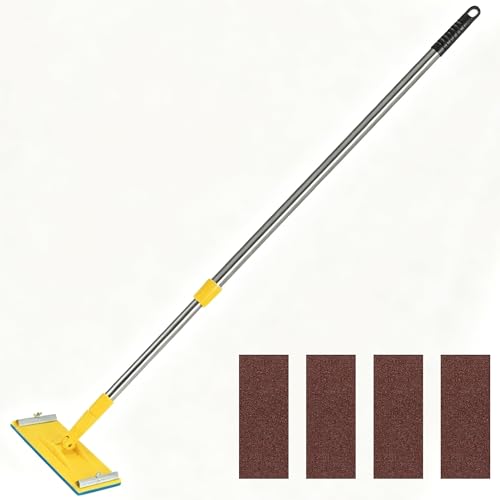
The Cutforge White Extendable Drywall Sander is listed for walls and popcorn ceilings, with sanding discs mentioned in the product title. Its white finish provides a different appearance from other colour options, but colour should be a secondary consideration when selecting a tool for renovation work.
The supplied product information does not confirm the tool's operating method, extension range, sanding-head dimensions, weight, dust-extraction features, or the number and grit of the included discs. These specifications are important because different drywall sanders are designed for different tasks.
This guide explains the features to investigate, the practical limitations to consider, and the precautions that can help you determine whether this type of sander is suitable for your project.
What Is an Extendable Drywall Sander?
A drywall sander is used to smooth appropriate surfaces, including dried joint compound and certain drywall repairs. Its abrasive surface removes small amounts of material to reduce ridges, blend repaired areas, and prepare a surface for finishing.
An extendable design adds reach through a long or adjustable handle. This can be useful when working on tall walls or ceilings where keeping the sanding head under control is more difficult with a short handheld tool.
There are two common categories:
Manual pole sanders: The user moves the abrasive head by hand using a handle or pole.
Powered drywall sanders: A motor moves the sanding head. Some models support a vacuum connection or another dust-extraction arrangement.
The available description does not establish whether the Cutforge white model is manual or powered. Buyers should verify this before ordering because the operating method affects power requirements, handling, maintenance, and dust management.
It is also important to distinguish routine drywall finishing from removing a ceiling texture. A tool suitable for smoothing joint compound may not be appropriate for every painted, textured, or older ceiling surface.
Key Features and What They Mean in Everyday Use
1. Extendable Reach for High Walls
The product is advertised as an extendable drywall sander.
A longer handle can make it easier to reach upper sections of walls without holding a small sanding block above shoulder height. It may also help users cover a larger area while maintaining a more comfortable working position.
However, an extendable handle must be stable enough to control the sanding head. Excessive flex or a loose locking mechanism can make it harder to maintain even contact with the surface.
The supplied details do not state the handle's minimum or maximum length or describe its extension-locking system.
What to check: Confirm the full extension range, handle stability, grip design, and weight. The right length should provide sufficient reach without making the tool difficult to guide.
2. Smoothing Drywall Before Painting
After drywall repairs or joint-compound application, surfaces may have small ridges, raised edges, and uneven transitions. Appropriate sanding can help reduce these imperfections before primer and paint are applied.
A drywall sander may be useful when preparing several repaired areas or smoothing a broad section of a wall. Depending on the sanding-head size, it may cover more surface per pass than a small sanding block.
Nevertheless, sanding cannot correct every finishing problem. Deep depressions, poorly blended joints, and substantial ridges may require additional compound rather than aggressive sanding.
Excessive pressure can also damage the drywall's paper facing or remove too much joint compound, creating more work.
Practical tip: Use controlled pressure, work systematically, and inspect the surface frequently under good lighting. Keep a smaller hand sanding block available for corners and narrow repairs.
3. Use on Suitable Ceiling Surfaces
The product title mentions popcorn ceilings, suggesting that ceiling work is part of its advertised use.
An extendable tool may help users reach suitable ceiling surfaces while keeping their hands farther from the sanding head. This can be helpful when smoothing compatible drywall or joint compound overhead.
However, the phrase “for popcorn ceiling” does not establish that the tool is suitable for removing every kind of textured ceiling coating. The coating's composition, age, and condition matter.
Safety warning: Some older textured ceilings and paint layers may contain asbestos or lead. Disturbing these materials through sanding or scraping can release hazardous dust. If either substance may be present, do not disturb the surface until it has been appropriately assessed. Follow applicable local requirements and seek qualified professional assistance where necessary.
Practical tip: Identify the ceiling material before starting work. Do not assume that an ordinary drywall sander makes an unknown textured coating safe to remove.
4. Included Sanding Discs
The product title indicates that sanding discs are included with the tool.
Supplied abrasives may be convenient for starting a project without purchasing sanding material separately. However, abrasives wear down and may become clogged with compound, so replacement availability should also be considered.
The supplied description does not specify the number of discs, their dimensions, grit ratings, or attachment method.
Grit selection affects the result. Coarser abrasives remove material faster but can leave deeper scratches, while finer abrasives are generally used for more delicate finishing. The appropriate choice depends on the surface condition and the finish required.
What to check: Verify the disc quantity, diameter, grit range, attachment design, and availability of compatible replacements. Do not assume that standard sanding discs will fit without checking their specifications.
5. Sanding-Head Size and Movement
The sanding head affects how much surface the tool can cover and how easily it can be controlled.
A larger head may be useful for broad, flat areas, while a smaller head may provide better control around confined sections. Some sanders have a pivoting or swivelling connection that helps the head follow different surface angles.
The supplied description does not identify the sanding-head dimensions or whether the Cutforge model has an adjustable or pivoting head.
This information matters if your project includes ceiling edges, wall transitions, or areas where the sanding direction frequently changes.
Practical tip: Check product images and the full specifications to determine the head size, movement, and abrasive attachment method. Match the design to the type of work you expect to perform.
6. Dust Management for Indoor Projects
Sanding drywall compound produces fine dust that can spread throughout a home. It may settle on floors, furniture, tools, and nearby surfaces, making cleanup an important part of renovation planning.
Some powered drywall sanders have vacuum connections or integrated dust-collection systems. Manual pole sanders may require a different approach to containment and cleanup.
The supplied description does not confirm whether this white model includes a dust bag, vacuum attachment, or integrated collection system.
Before sanding indoors, prepare the work area and cover nearby belongings where practical. Use appropriate eye and respiratory protection, and avoid dry sweeping fine dust in a way that sends it back into the air.
What to check: Confirm the available dust-extraction options before purchasing. If the tool does not support collection, plan an appropriate dust-control method for your project.
7. Manual or Powered Operation
The supplied product title does not clearly establish whether the sander is manual or powered.
This is a key purchasing detail. A manual pole sander relies on the user's movement and pressure, while a powered sander uses a motor to move the abrasive. Powered models may require an electrical supply or battery and can have different weight, maintenance, and dust-extraction requirements.
For occasional repairs, a manual tool may be sufficient. Larger jobs may justify evaluating a powered model, particularly if it has suitable dust-management features and a comfortable design.
Practical tip: Confirm the operating method, power requirements, weight, and included accessories with the seller. Do not assume that a drywall sander is electric based on its name alone.
8. White Finish and Practical Tool Storage
The white finish distinguishes this version visually from other colour options. Colour can be a personal preference when organizing a tool collection, but it does not indicate sanding quality or durability.
For a tool used around renovation dust, practical considerations such as cleaning, storage, handle construction, and abrasive replacement are more important than appearance alone.
Practical tip: Treat the finish as a design preference and focus your purchasing decision on the tool's verified specifications and compatibility with your work.
Potential Advantages
Based on the supplied product title, an extendable drywall sander of this type may offer several potential benefits:
Extended reach: A suitable handle length may help users access high walls and reachable ceilings.
Surface preparation: It may be useful for smoothing compatible drywall and dried joint compound.
Included abrasives: Sanding discs are mentioned in the product title, although their quantity and specifications remain unknown.
Potentially wider coverage: Depending on the sanding-head size, the tool may cover more area per pass than a small handheld sanding block.
Distinctive appearance: The white finish may suit buyers who prefer this colour for their tools.
These are potential category-level benefits, not independently verified performance results for the Cutforge model.
Things to Consider Before Purchasing
Handle Length and Stability
Check the maximum extension and whether the handle locks securely. A long handle is useful only if you can control the sanding head comfortably.
Operating Method
Confirm whether the tool is manual or powered. This determines how it works and whether batteries, electricity, or additional equipment are required.
Sanding-Disc Compatibility
Verify the dimensions, grit ratings, attachment method, included quantity, and replacement availability.
Dust-Extraction Options
Determine whether the tool has a vacuum connection or another collection system. If it does not, plan suitable dust containment and cleanup.
Weight and Ergonomics
Overhead sanding can be tiring. Check the weight, grip, balance, and extension mechanism, especially if your project involves prolonged use.
Surface Compatibility
Confirm that the tool is suitable for the surface you intend to prepare. Do not assume it can safely remove every textured ceiling or coating.
Durability and Warranty
The supplied information does not establish the tool's construction materials, warranty, durability testing, or spare-part availability. These details may matter if you plan to use it frequently.
Replacement Costs
Included discs may reduce initial setup costs, but the long-term cost depends on replacement availability, compatible sizes, and how quickly the abrasives wear out.
Practical Tips for Better Sanding Results
Inspect the surface first. Identify ridges, depressions, loose material, and areas that need additional compound.
Let joint compound dry fully. Follow the compound manufacturer's instructions before sanding.
Choose the appropriate grit. Match the abrasive to the surface condition and desired finish.
Avoid excessive pressure. Too much force can damage drywall paper or create uneven areas.
Use consistent passes. Work methodically and inspect the result under good lighting.
Prepare the workspace. Cover nearby belongings and plan dust control before beginning.
Use suitable protective equipment. Protect your eyes and respiratory system according to the material and working conditions.
Check the handle connection. Ensure that extensions and locking mechanisms are secure before overhead use.
Use smaller tools for detailed areas. Hand sanding blocks can offer better control around corners and narrow repairs.
Stop if hazardous material is suspected. Do not sand an unknown older coating until its safety has been assessed.
Who May Benefit From This Type of Sander?
DIY Homeowners
Homeowners preparing suitable drywall before painting may find an extendable sander helpful when working on higher wall sections.
People Repairing Walls
Those smoothing dried joint compound after filling holes or repairing seams may benefit from a tool suited to the size of their project.
Renovation Hobbyists
People who regularly undertake decorating projects may appreciate having an extendable sanding tool available for compatible surfaces.
Who May Prefer an Alternative?
A hand sanding block may be easier to control for small patches, narrow corners, and detailed work. For large renovation projects, users may wish to evaluate powered drywall sanders with clearly documented dust-extraction options.
Anyone dealing with a textured ceiling that may contain asbestos or lead should seek appropriate assessment rather than relying on ordinary sanding equipment.
Frequently Asked Questions
1. Is the Cutforge white drywall sander manual or powered?
The supplied information does not establish the operating method. Confirm whether it is manual or powered with the seller before purchasing.
2. Can it be used on walls and ceilings?
The product title advertises use on walls and popcorn ceilings. Actual suitability depends on the tool design, reach, abrasive compatibility, and surface material.
3. How far does the handle extend?
The maximum extension length is not specified in the supplied details. Check the seller's complete specifications if you need to reach a particular height.
4. Are sanding discs included?
The product title indicates that sanding discs are included, but the quantity, dimensions, grit ratings, and attachment system are not provided.
5. Does it include dust collection?
The supplied information does not confirm a dust bag, integrated collector, or vacuum connection. Verify these features before buying.
6. Can it remove popcorn ceiling texture?
The title mentions popcorn ceilings, but this does not confirm that the tool is appropriate for all textured coatings. Identify the material and assess potential hazards before disturbing it.
7. Is it suitable for professional use?
The available details are insufficient to establish professional-grade performance or durability. Frequent users should verify the specifications against their work requirements.
8. What should I check before ordering?
Confirm the operating method, extension range, sanding-head design, weight, included disc specifications, dust-extraction options, warranty, and replacement-part availability.
Is This White Extendable Drywall Sander Right for You?
It may be worth considering if you:
Need to prepare suitable drywall or joint-compound surfaces.
Want an extendable tool for high walls or reachable ceilings.
Have verified the tool's operating method and handle length.
Can obtain compatible replacement sanding discs.
Have a suitable plan for dust management.
Consider another option if you:
Require a powered sander but the seller cannot confirm that the model is powered.
Need integrated dust collection that is not documented.
Require a specific sanding-head size or extension length that cannot be verified.
Are working on a ceiling coating that may contain hazardous material.
Before purchasing, confirm:
Whether the sander is manual or powered.
Its extension range and handle-locking design.
Sanding-head size and movement.
The quantity, grit, and dimensions of included discs.
Dust-extraction compatibility.
Weight, warranty, and replacement-disc availability.
Final Thoughts
The Cutforge white extendable drywall sander is listed for wall and popcorn-ceiling sanding, and the product title indicates that sanding discs are included. An extendable tool may be useful for preparing suitable surfaces, especially when a longer handle helps users reach high wall sections or ceilings.
However, the supplied information does not confirm several important specifications, including the operating method, maximum extension, sanding-head design, dust collection, and abrasive details. Buyers should verify these points before deciding whether the tool fits their requirements.
The most suitable choice is the one that offers the necessary reach and control, supports compatible abrasives, and allows appropriate dust management. Always identify potentially hazardous ceiling materials before sanding or scraping them.
Affiliate Disclosure: As an Amazon Associate, I earn from qualifying purchases.
Product specifications, included accessories, price, and availability may change. Confirm the latest details with the seller before purchasing.


Comments
Comments
Post a Comment