As an Amazon Associate I earn from qualifying purchases.
Looking for a Durable Frying Pan? What to Consider Before Choosing a Titanium-Style Pan
Choosing the right frying pan can make everyday cooking much easier. A good pan should heat consistently, release food without excessive sticking, tolerate regular kitchen use, and work with the type of stovetop you have. It should also be versatile enough for everything from quick breakfasts to larger family meals.
If you are replacing an older pan because the surface has started wearing out, you want something suitable for multiple cooking methods, or you simply want a more durable option for everyday frying and sautéing, a titanium-style frying pan may be worth considering.
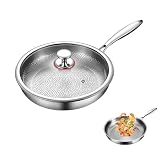
The JDKJAG 10-inch titanium frying pan is designed around those needs, with a hammered-style construction, a lid, compatibility with different stovetops, and a surface intended for easier cooking and cleanup.
What Makes a Frying Pan Practical for Everyday Cooking?
A frying pan is one of the most frequently used pieces of cookware in many kitchens. That means small differences in construction and usability can become noticeable over time.
Before choosing one, consider several practical factors:
Surface durability: A frequently used pan needs to withstand normal cooking and cleaning.
Food release: A smooth cooking surface can make it easier to turn, stir, and remove food.
Heat distribution: Even heating is important when frying, sautéing, or searing.
Stovetop compatibility: A versatile pan can be more useful if it works across different cooking surfaces.
Size: The right diameter depends on whether you usually prepare individual portions or larger meals.
Lid availability: A matching lid can be useful for steaming, simmering, and reducing splattering.
These considerations are often more important than simply choosing a pan based on its appearance.
A Scratch-Resistant Surface for Regular Kitchen Use
One of the main features described for this pan is its durable, scratch-resistant cooking surface.
For everyday cookware, surface durability matters because frying pans are frequently exposed to utensils, repeated heating, food residue, and cleaning. The supplied specifications describe the surface as being designed to resist scratches and withstand regular use, including use with metal utensils.
However, “scratch-resistant” should not be interpreted as completely scratch-proof. Even durable cookware benefits from appropriate utensils and careful cleaning, particularly if you want to maintain the cooking surface for as long as possible.
It is also worth noting that the supplied description refers to both a “non-stick coating” and a “no coating” titanium design. Those descriptions conflict, so the exact construction should be confirmed from the manufacturer's current specifications before making a purchase decision.
Can a Titanium-Style Pan Help With Lower-Oil Cooking?
The smooth cooking surface is intended to make food release easier, which can be useful when preparing foods that tend to stick to cookware.
The supplied product information specifically claims that the surface allows cooking with significantly less oil. However, the exact “50% less oil” figure is a product claim rather than something independently established in the information provided here.
In practical terms, the amount of oil you need depends on the food being prepared, cooking temperature, recipe, and personal cooking technique.
A smooth surface can still be useful for everyday cooking because it may reduce the amount of oil needed for certain recipes while making cleanup easier.
Suitable for Different Types of Stovetops
Another useful feature is broad stovetop compatibility.
The supplied specifications state that the pan can be used with:
Gas stovetops
Electric stovetops
Induction cooktops
Ceramic cooktops
This can be particularly convenient for households that move between different cooking surfaces or may eventually change their kitchen setup.
If you use induction, always confirm compatibility with the manufacturer's current specifications before purchasing, since cookware construction can vary even among products marketed as titanium pans.
What Can You Cook in a Multipurpose Frying Pan?
A versatile frying pan can be useful for much more than simply frying eggs.
Depending on your recipe, a pan of this type can be used for:
Breakfast Foods
Eggs, pancakes, breakfast vegetables, sausages, and similar foods can all benefit from a smooth cooking surface.
Sautéed Vegetables
The relatively wide cooking area can make it easier to spread vegetables across the surface rather than overcrowding a small pan.
Meat and Seafood
Frying or searing meat and seafood requires appropriate temperature control. A pan designed for even heat distribution can be useful for these cooking methods.
Sauces and One-Pan Meals
Adding a lid makes the cookware more versatile for recipes that require covering the pan during cooking.
Steaming and Simmering
The included lid can help retain heat and moisture when a recipe calls for covered cooking.
What About Oven Use?
The supplied description states that the pan is oven-safe up to 500°F.
That can expand the number of recipes you can prepare because some dishes benefit from starting on the stovetop and finishing in the oven.
However, oven-safety limits can depend on the complete cookware construction, including the handle, lid, and other components. Before placing the pan or lid in an oven, verify the manufacturer's current instructions for the specific configuration you are using.
Never assume that a pan's oven rating automatically applies to every included component.
Choosing the Right Size
The product is described as being available in approximately 26 cm, 28 cm, and 30 cm sizes.
The best size depends largely on your normal cooking habits.
Around 26 cm
A 26 cm pan can be practical for smaller households, individual portions, eggs, vegetables, and everyday meals where you do not need a very large cooking surface.
Around 28 cm
A 28 cm pan offers a useful middle ground for everyday cooking. It provides more room than a smaller pan without becoming as large as the biggest option.
Around 30 cm
A 30 cm pan may be more suitable when you regularly prepare larger portions or want additional cooking space.
When selecting a size, consider not only the amount of food you normally cook but also the storage space available in your kitchen.
Why Does a Lid Matter?
A fitted lid may seem like a small addition, but it can make a frying pan more versatile.
A lid can help when you need to:
Reduce splattering while frying
Retain moisture
Simmer food
Finish cooking ingredients
Steam vegetables
Keep heat contained during covered cooking
For recipes that require switching between uncovered frying and covered cooking, having a matching lid available can be more convenient than purchasing one separately.
Things to Consider Before Choosing This Type of Pan
Although the supplied specifications describe several useful features, there are a few things shoppers should verify before making a decision.
Confirm the Exact Surface Construction
The product information describes the pan as both “non-stick” and “no coating.” Because these descriptions are inconsistent, check the manufacturer's current product information to determine exactly what the cooking surface is made from.
Verify the Oven Rating
The supplied information states a 500°F oven rating, but confirm whether this applies to the pan only or also to the lid and handle.
Consider Your Preferred Pan Size
A larger pan provides more cooking space but can also require more storage space and may feel heavier when filled with food.
Follow the Manufacturer's Care Instructions
Even cookware marketed as durable benefits from appropriate cleaning and handling. Following the manufacturer's instructions can help maintain the cooking surface and overall condition of the pan.
Pros and Considerations at a Glance
Potential Advantages
Multiple size options
Designed for everyday frying and sautéing
Supplied with a matching lid
Described as scratch-resistant
Compatible with several common stovetop types
Intended for versatile cooking applications
Supplied specifications state oven use up to 500°F
Things to Consider
The supplied description contains conflicting statements about whether the pan uses a coating
The claimed oil reduction should not be treated as a guaranteed result
Exact oven compatibility should be confirmed for each component
Cooking performance can vary depending on the stovetop, recipe, temperature, and cooking technique
Proper care is still important even when cookware is marketed as durable
Who Might Consider a Pan Like This?
This type of frying pan may be worth considering if you are looking for cookware that can handle several everyday cooking tasks rather than being limited to one particular recipe.
It may be especially useful for people who want:
One pan for multiple cooking methods
Compatibility with different stovetop types
A choice of pan sizes
A matching lid
A durable cooking surface
A pan suitable for everyday frying, sautéing, and covered cooking
On the other hand, if you have very specific cookware requirements—such as a particular coating material, exact oven-safe configuration, or a certain weight—you should verify those specifications before choosing this model.
Frequently Asked Questions
Is a titanium frying pan completely scratch-proof?
No cookware should automatically be considered completely scratch-proof. The supplied product information describes this pan as scratch-resistant, but normal care and appropriate utensils can still help protect the cooking surface.
Can this pan be used on induction?
The supplied specifications state that it is compatible with induction as well as gas, electric, and ceramic stovetops. Buyers should still confirm the manufacturer's current compatibility information for the exact model.
Does the pan come with a lid?
Yes. The supplied product description states that a fitted lid is included.
What sizes are available?
The supplied information lists approximately 26 cm, 28 cm, and 30 cm options.
Can it go in the oven?
The supplied specifications state an oven-safe temperature of up to 500°F. Because oven safety can differ between the pan, handle, and lid, check the manufacturer's instructions before using it in the oven.
Does a smooth cooking surface mean I never need oil?
Not necessarily. Oil requirements depend on the recipe, food, temperature, and cooking technique. A smooth surface may make lower-oil cooking easier for some foods, but it does not guarantee that every recipe can be prepared without oil.
Final Thoughts
A good frying pan should make everyday cooking more convenient rather than adding unnecessary complications. Durability, cooking-surface performance, heat distribution, stovetop compatibility, size, and versatility are all worth considering before choosing cookware.
The JDKJAG titanium frying pan is designed to address several of these everyday needs, offering multiple size options, a matching lid, broad stovetop compatibility, and a cooking surface described as scratch-resistant.
The most important step before purchasing is to verify the manufacturer's current specifications—particularly the exact surface construction, oven-safety details, and care instructions. That allows you to choose the pan based on its actual characteristics rather than relying solely on marketing claims.
For shoppers looking for a versatile frying pan for everyday meals, these are the factors that matter most: how it fits your cooking style, what stovetop you use, what size you need, how the cooking surface is constructed, and how you plan to care for it over time.


Comments
Comments
Post a Comment